Nickname: Land of Rain
Capital
Rasht
Population
~2.5 million
Gilan runs green where most of Iran runs dry, a Caspian-facing strip of rice paddies, tea terraces and dense Hyrcanian forest that feels like a different country from the plateau above it. Rasht's food culture, built on fish, herbs and citrus, is regarded as among Iran's finest.
Notable cities
Rasht
The provincial capital and a byword for Iranian cuisine, with a famous covered bazaar and the country's best-known food culture. Its rainy, green streets feel distinct from the arid plateau further south.
Lahijan
One of Gilan's historic towns, Lahijan is the heart of Iran's tea industry, where green hills, tea plantations and a relaxed local lifestyle come together. Rich in history and surrounded by beautiful landscapes, it offers a perfect blend of nature, local traditions and warm Iranian hospitality.
Bandar-e Anzali
A Caspian port city built around a large coastal lagoon full of wetlands and migratory birds. Its boardwalk and boat tours are a popular Gilan excursion.
Culture & people
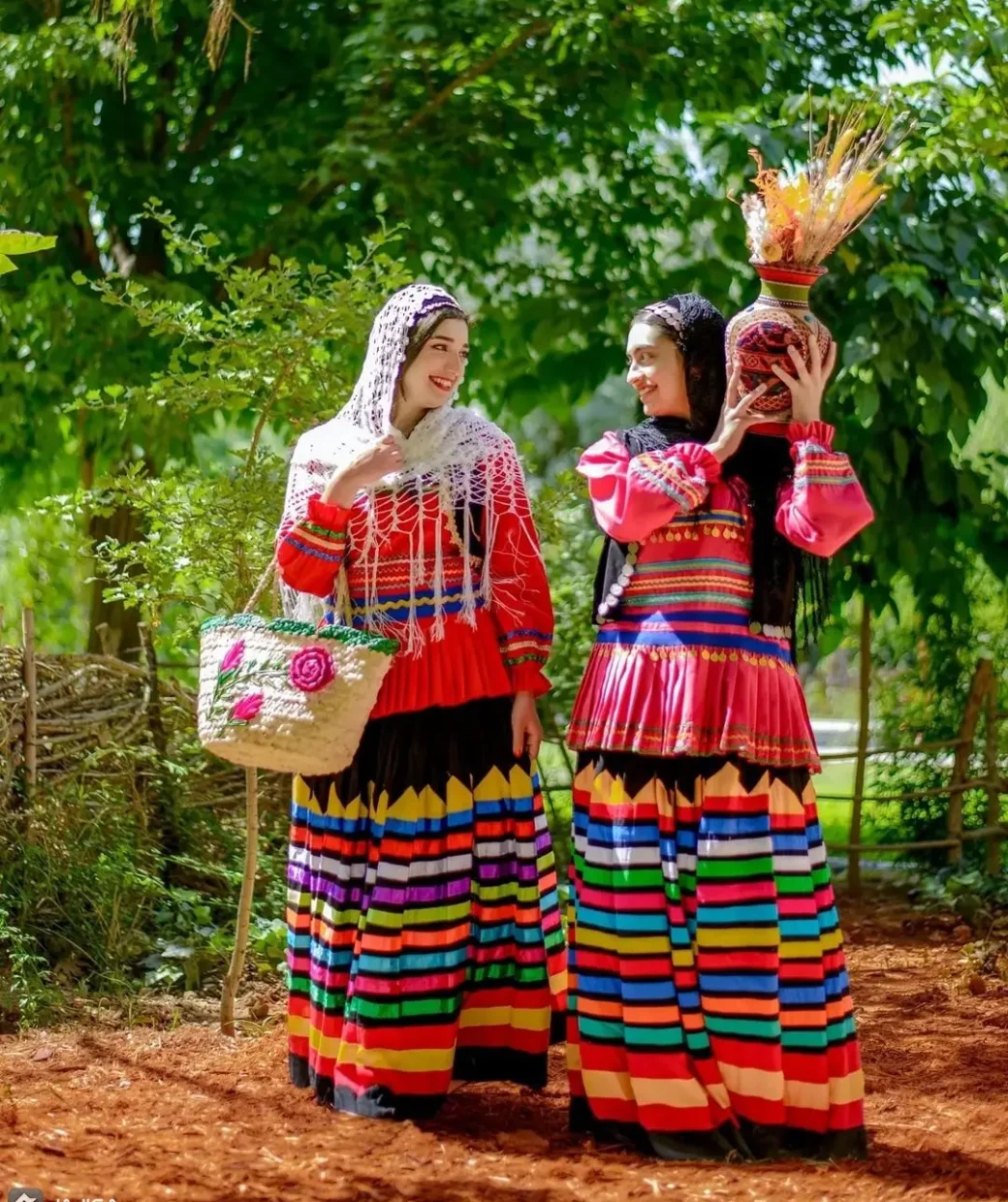
Home to the Gilaki people and language, a distinct Caspian culture built around rice farming, tea, and a cuisine unlike the rest of the plateau.
Highlights
- Masuleh's stacked-roof mountain village
- Rasht's Municipality Square and food markets
- Anzali Lagoon's wetland waterways
- Caspian Hyrcanian forest, a UNESCO site
- Rudkhan Castle in the forest hills
Best time to visit
Late spring and early autumn bring the greenest scenery with less rain than summer's humid peak.
Getting there
Rasht is served by its own airport and lies about a three-and-a-half-hour drive north-west of Tehran over the Alborz range or via the Chalus and Kandovan tunnels.
The province's location, highlighted on the map of Iran.
Tell us what you want from Iran.
Send a few lines about your dates and interests. We'll come back within a day with a draft itinerary and an honest price — no deposit, no pressure.