Nickname: Land of Pistachios
Capital
Kerman
Population
~3.16 million
Iran's largest province stretches from Persian-toothpick bazaars in Kerman city to the sculpted dunes of the Lut Desert, one of the hottest places on earth. Bam's mudbrick citadel, rebuilt after the 2003 earthquake, and the honeycomb rock village of Rayen sit within a day's reach of each other.
Culture & people
A vast desert province blending Persian and Baluch influences, historically a hub of the pistachio trade and, at Rayen and Bam, mudbrick citadel architecture.
Notable cities
Kerman
The provincial capital, home to one of Iran's finest historic bazaars and the Ganjali Khan complex of bathhouse, mosque and caravanserai. It is the usual base for reaching the Lut Desert.
Mahan
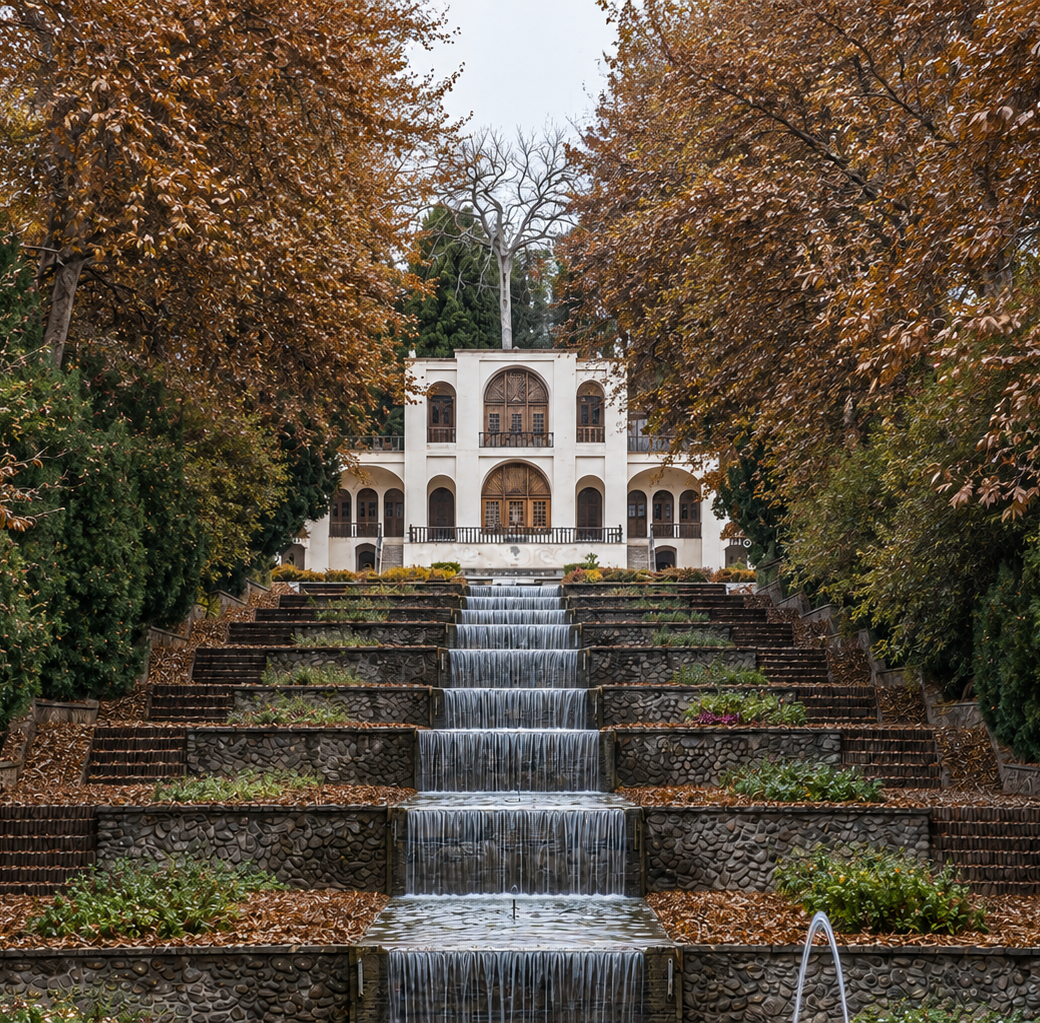
A small town best known for the Shah Nematollah Vali shrine, a major Sufi pilgrimage site with tiled courtyards. Its nearby Shazdeh Garden is one of Iran's best-preserved Qajar-era Persian gardens.
Rayen
Home to a large mudbrick citadel similar in style to the more famous Bam citadel, but far less visited. It sits at the foot of Mount Hezar, one of Iran's highest peaks.
Highlights
- Arg-e Bam, the world's largest adobe citadel
- Kaluts of the Lut Desert at sunset
- Rayen Citadel, Bam's quieter sister
- Ganjali Khan complex and its bathhouse museum
- Shazdeh Garden, a walled oasis at Mahan
- Shah Nematollah Vali shrine's turquoise dome
Best time to visit
Visit October to April, since summer temperatures in the Lut Desert routinely pass 50°C and make daytime travel impractical.
Getting there
Kerman is served by direct flights from Tehran (about 90 minutes) and connects overland to Yazd and Shiraz on well-paved desert highways.
The province's location, highlighted on the map of Iran.
Tell us what you want from Iran.
Send a few lines about your dates and interests. We'll come back within a day with a draft itinerary and an honest price — no deposit, no pressure.