Nickname: Cradle of Prehistoric Cultures
Capital
Kermanshah
Population
~2.0 million
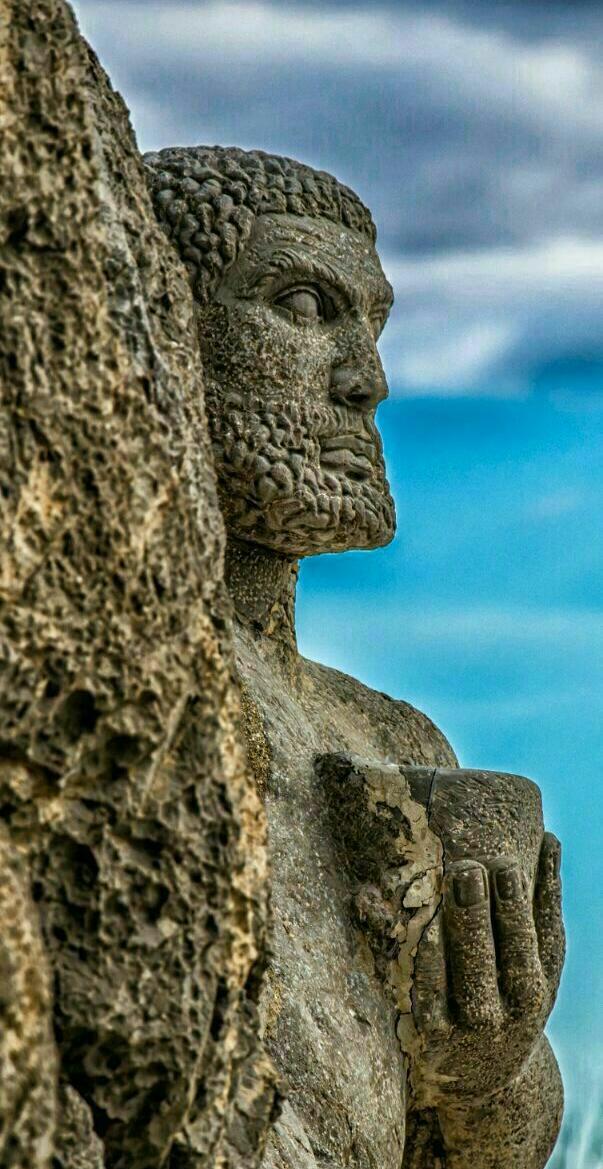
Kermanshah province holds some of Iran's oldest carved history, including the Achaemenid and Sassanid reliefs at Bisotun and Taq-e Bostan cut directly into Zagros limestone. The province's Kurdish towns and fertile valleys sit along an old route linking Mesopotamia to the Iranian plateau.
Notable cities
Kermanshah
The provincial capital, home to the Taq-e Bostan rock reliefs carved by Sasanian kings beside a spring-fed pool. Its bazaar and Kurdish cuisine reflect the wider western Zagros culture.
Bisotun
Site of the Behistun Inscription, a monumental trilingual cuneiform relief carved into a cliff face by Darius the Great. It is a UNESCO World Heritage Site often compared to a Rosetta Stone for ancient Persian.
Paveh
A dramatic mountain town built into a steep Zagros valley near the Iraqi border. Its layered stone houses and cool climate make it a striking detour from the provincial capital.
Culture & people
Predominantly Kurdish, with a deep pre-Islamic history — Taq-e Bostan's rock reliefs date to the Sassanid Empire, over 1,600 years ago.
Highlights
- Bisotun inscription, a UNESCO Achaemenid relief
- Taq-e Bostan's rock-cut Sassanid reliefs
- Kermanshah's covered bazaar and Takieh Moaven ol-Molk
- Zagros hiking trails near Bisotun
- Paveh's terraced Kurdish architecture
Best time to visit
March to May and September to November offer comfortable temperatures, avoiding the summer heat of the lower valleys.
Getting there
Kermanshah Airport receives daily flights from Tehran, around one hour, or a six-hour drive along the A2 highway.
The province's location, highlighted on the map of Iran.
Tell us what you want from Iran.
Send a few lines about your dates and interests. We'll come back within a day with a draft itinerary and an honest price — no deposit, no pressure.