Nickname: Capital of Calligraphy
Capital
Qazvin
Population
~1.3 million
Briefly the Safavid capital before Isfahan, Qazvin still carries that legacy in its garden pavilions, calligraphy schools, and the bones of a royal quarter. It is also the gateway to Alamut, the volcanic valley where the Nizari Ismailis built their mountaintop fortresses.
Culture & people
Briefly the Safavid capital in the 16th century; known today for its Qazvini Persian dialect, carpets, and the Nizari Ismaili history of nearby Alamut.
Notable cities
Qazvin
A brief 16th-century Safavid capital whose Ali Qapu gate and Chehel Sotoun pavilion still recall that era. Its bazaar is one of the best-preserved historic markets in northern Iran.
Alamut
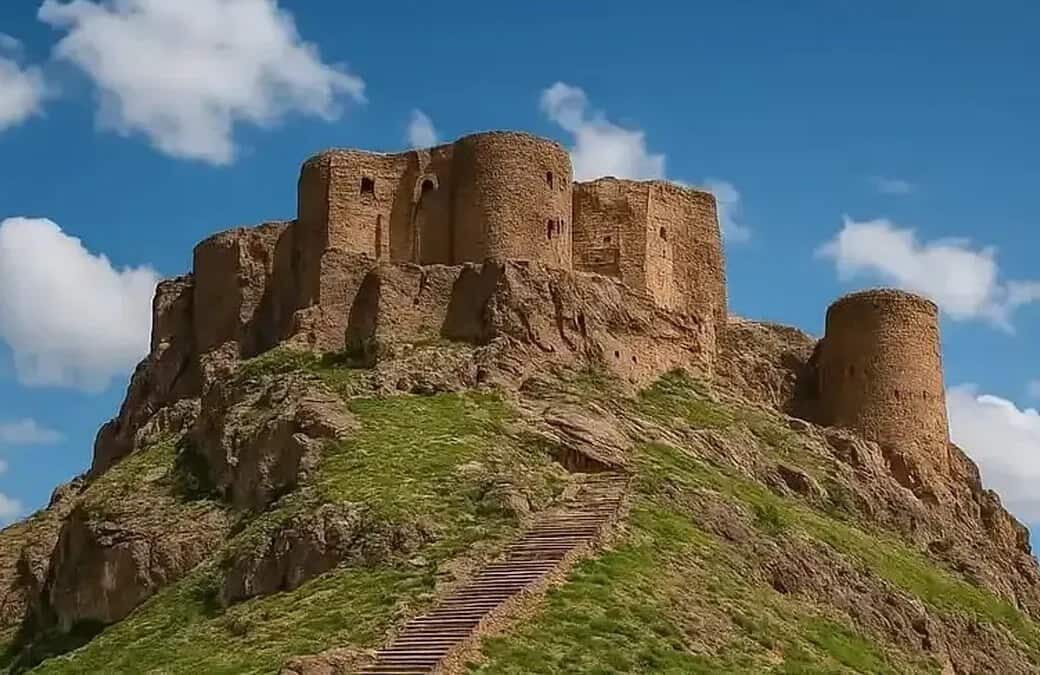
The valley and fortress once held by the medieval Assassins, reached along dramatic mountain roads north of Qazvin city. The ruined castle perched on its rock spur is one of Iran's most striking hiking destinations.
Avaj
A smaller agricultural town in the province's drier south-west, known locally for its orchards and traditional caravanserais. It sits on an older route between the central plateau and the Zagros.
Highlights
- Chehel Sotoun pavilion, Safavid remnant
- Alamut Castle's ruined stronghold
- Friday Mosque's Seljuk-era core
- Qazvin's covered bazaar
- Alamut Valley's terraced villages
Best time to visit
May and September give clear mountain air for the drive into Alamut, before winter snow closes the higher valley roads.
Getting there
Qazvin is about 150 kilometres west of Tehran, an hour and a half by car, and a common overnight stop before heading into Alamut or on to Gilan.
The province's location, highlighted on the map of Iran.
Tell us what you want from Iran.
Send a few lines about your dates and interests. We'll come back within a day with a draft itinerary and an honest price — no deposit, no pressure.