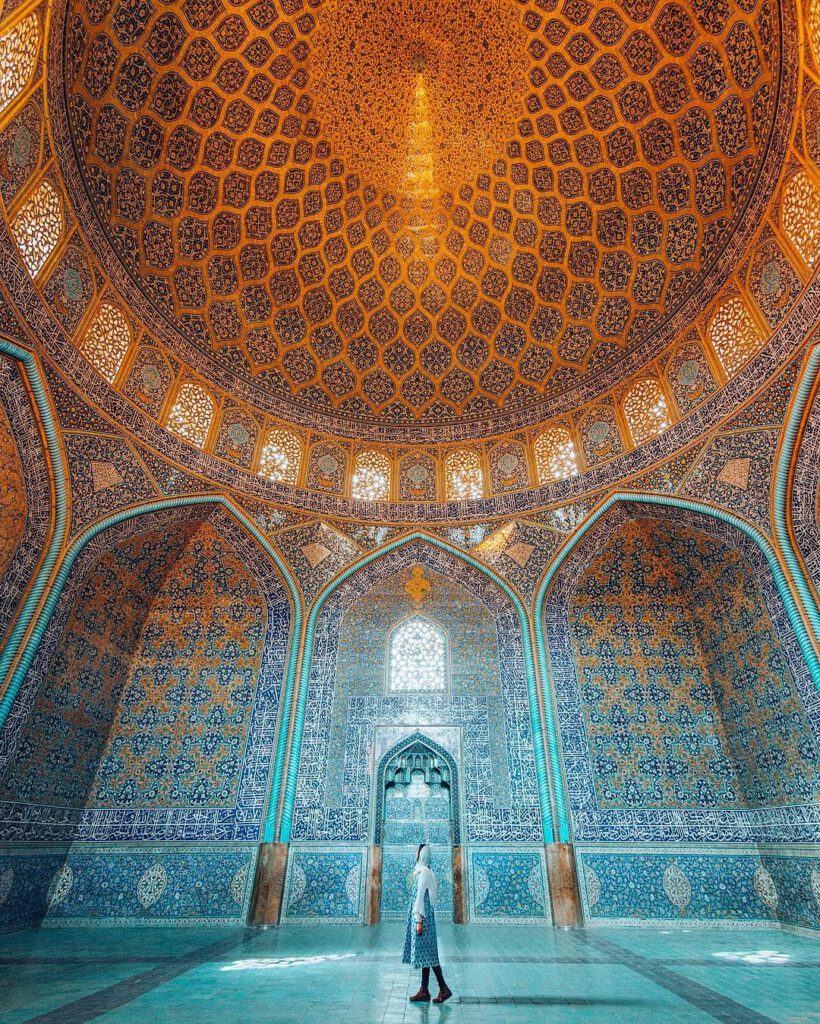
Is Iran safe to visit? It’s probably the first question on your mind if you’re researching a trip — and it’s a fair one to ask. The honest answer, drawn from thousands of guided travelers who visit every year, is a confident yes: Iran is consistently rated by the people who actually go there as one of the friendliest and most welcoming countries in the world. Violent crime against tourists is rare, and visitors repeatedly describe being looked after, invited into homes, and helped by strangers on the street.
You may have seen headlines about regional tensions in 2025 and 2026. It’s understandable to wonder how that affects a trip. In practice, day-to-day life for travelers on the ground has stayed calm and welcoming throughout, and guests continued to visit safely and comfortably during this period. Below, we’ve put together what real travelers experience day to day, how a private guided tour keeps things smooth, and the practical questions people ask us most before their trip.
- What travelers actually experience
- Everyday practicalities
- Why a private, guided tour helps
- Visa basics for 2026
- So, is Iran safe right now?
What travelers actually experience
Ta’arof — the Iranian culture of hospitality — means guests are treated as honored visitors almost everywhere they go. Shopkeepers offer tea, strangers go out of their way to give directions, and it’s common for locals to strike up a conversation just to practice their English and welcome you to their country. Solo travelers, families, and older visitors alike report feeling comfortable exploring cities like Isfahan, Shiraz, and Yazd — three of the country’s UNESCO-listed historic centers. Ask almost anyone who’s been, and the answer comes back the same: they felt safe, and they’d go again.
On our private tours, you’re never navigating any of this alone — an experienced, licensed guide is with you throughout, handling logistics, translation, and local etiquette, so you can simply enjoy the experience.
Everyday practicalities
A few things make day-to-day travel easier than most first-time visitors expect:
- Healthcare: Major cities have modern hospitals and pharmacies. No special vaccinations are required for most travelers, though we always recommend standard travel insurance for any international trip.
- Food and water: Tap water is treated in major cities, and food hygiene at reputable restaurants is good. Persian cuisine is fresh, varied, and easy on most palates.
- Connectivity: Mobile coverage is widespread. A local SIM, or a VPN for certain apps, is worth arranging in advance — your guide can help with both.
- Money: International cards generally don’t work in Iran, so trip planning includes arranging cash ahead of time — something we help every guest coordinate before arrival.
- Dress code: Modest dress is expected in public (women wear a headscarf). We brief every guest on this beforehand, so it’s one less thing to think about once you land.
Why a private, guided tour helps
Most of what makes a trip to Iran feel effortless comes down to good local support. Traveling with a licensed guide — trained to the standard of the World Federation of Tourist Guide Associations — means someone who knows the routes, the customs, and the people is with you at every step: arranging transport between Isfahan and Shiraz, or simply knowing which market stall makes the best saffron tea. It also means having someone to turn to immediately, day or night, if you ever have a question or a concern.
This is the core of how we operate: every one of our tours is privately guided from arrival to departure, with a fixed, transparent itinerary and a guide who stays with your group the entire time — not just for a few city stops. In our experience, this is the single biggest factor in how comfortable a trip to Iran feels, for any traveler.
Visa basics for 2026
Iran’s visa system has stayed largely e-visa-based going into 2026 (1405 in the Iranian calendar), with a few points worth knowing before you apply:
- E-visa: Most nationalities can apply for a tourist e-visa through Iran’s official portal, evisa.mfa.ir, or — faster and simpler — by registering with us directly. As licensed, card-carrying tour guides, we prepare the paperwork and confirmed itinerary on your behalf. E-visas are typically issued for a 30-day stay and are extendable once inside the country.
- Visa on arrival: Available at Iran’s main international airports for many nationalities, though it isn’t an option for every passport.
- US, UK, and Canadian citizens: For these nationalities, entry requires applying got visa in advance by registering your trip with a licensed Iranian tour guide against a pre-approved itinerary, and being accompanied by that authorized guide for the entire trip — which is exactly how we structure every journey, so this requirement is handled as a normal part of registering with us.
- Processing: Registering through a licensed guide is generally faster and more reliable than applying independently, and it’s the route we manage for every guest.
Visa rules can shift from year to year, so if you’d like to know exactly what applies to your passport for 2026, get in touch and we’ll walk you through the current requirements.
So, is Iran safe right now?
Every traveler’s situation is a little different, and we’d rather answer your specific questions directly than leave you guessing. Despite the headlines of the past couple of years, the experience on the ground for visitors has remained calm, warm, and welcoming — and today, Iran is safe and open for travel with no issues for tourists. If you’re considering a trip, reach out to us — as locally based, licensed tour guides, we’ll give you a current, honest picture of what to expect and help you plan a trip that feels comfortable from the first day to the last.