In July 2026, at the 48th session of the World Heritage Committee in Busan, South Korea, UNESCO added Alamut Castle and its related fortifications to the World Heritage List. The inscription brought Iran’s total to 30 UNESCO World Heritage Sites — 28 cultural and 2 natural — placing the country among the richest heritage destinations in the world.
If you are planning a trip, this guide walks through all 30 sites, grouped by what they tell you about Persia: the empires, the faith and learning, the clever engineering, and the living landscapes. We have also marked where they sit in an itinerary, because the best way to see them is rarely in list order.
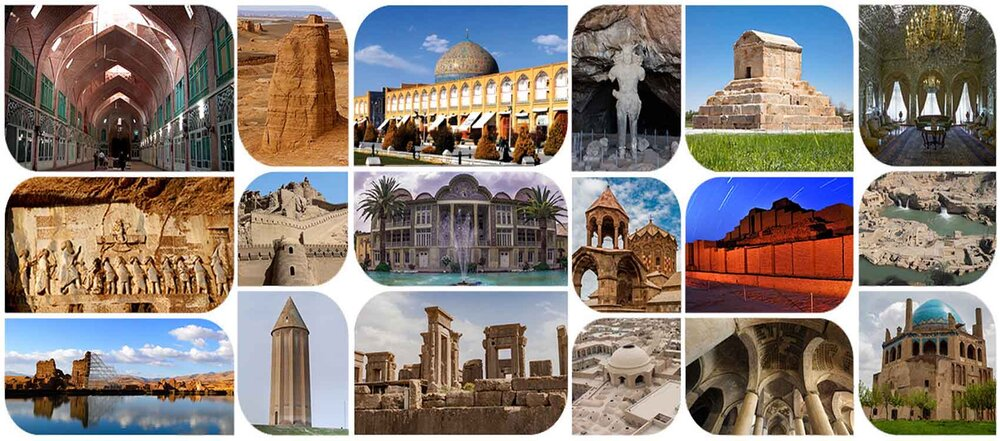
Dates below are approximate and give the earliest known date for each site.
The newest addition: Alamut Castle (2026)
Perched in the Alborz mountains of Qazvin province, Alamut was the centre of the Nizari Isma’ili state from the 11th to the 13th century. The listing covers the castle and six related strongholds — Lambesar, Navizarsah, Sams Kelayeh, Qostinlar, Sirkuh and Ilan. Beyond their defensive role, these fortresses were a hub of philosophy and astronomy; the 13th-century polymath Nasir al-Din Tusi was among the scholars connected to the place. Today it is a rewarding day trip for hikers who want a mountain landscape and a story in one outing.
Empires and ancient capitals
Persian history is easiest to grasp through its capitals, and Fars province holds the best of them.
- Persepolis (Fars, 1979) — the Achaemenid ceremonial capital, built on a vast stone terrace. Date: c. 518 BCE.
- Pasargadae (Fars, 2004) — Cyrus the Great’s first capital, with his mausoleum and the remains of royal gardens. Date: c. 546 BCE.
- Sassanid Archaeological Landscape of Fars (2018) — cities, fortresses and palaces at Firuzabad, Bishapur and Sarvestan. Date: 3rd century CE.
- Susa (Khuzestan, 2015) — layered mounds from Elamite, Persian and Parthian times. Date: c. 4200 BCE.
- Tchogha Zanbil (Khuzestan, 1979) — an Elamite sacred city with three concentric walls, left unfinished. Date: c. 1250 BCE.
- Bisotun (Kermanshah, 2006) — a rock-face site with remains from prehistoric times, Date: Middle Palaeolithic, c. 40,000 years ago, and the Darius I relief and inscription in three languages, the Achaemenid king’s account of how he took the throne, Date: c. 521 BCE.
- Hegmataneh (Hamadan, 2024) — Ecbatana, the Median capital with a distinctive circular plan. Date: c. 7th century BCE.
- Shahr-e Sukhteh (Sistan and Baluchestan, 2014) — the Bronze Age “Burnt City”. Date: c. 3200 BCE.
- Prehistoric Sites of the Khorramabad Valley (Lorestan, 2025) — six caves and rock shelters central to Iran’s earliest story. Date: Palaeolithic, tens of thousands of years ago.
For a route that strings the great ancient capitals together, see our private journey The Archaeology of Empire.
Faith, learning and the Silk Road
- Naqsh-e Jahan Square (Isfahan, 1979) — the 17th-century Safavid square framed by mosques, arcades and the bazaar entrance. Date: c. 1598 CE.
- Masjed-e Jame of Isfahan (2012) — a Friday mosque begun in 841 CE, showing more than a thousand years of architecture. Date: c. 841 CE.
- Sheikh Safi al-din Khanegah and Shrine Ensemble (Ardabil, 2010) — a Sufi retreat with a library, mosque and hospital. Date: 14th century CE.
- Soltaniyeh (Zanjan, 2005) — the Ilkhanid mausoleum of Oljaytu with its huge turquoise dome. Date: 1302 CE.
- Takht-e Soleyman (West Azerbaijan, 2003) — a Zoroastrian fire sanctuary beside a volcanic lake. Date: 5th century CE.
- Armenian Monastic Ensembles of Iran (2008) — three groups of monasteries in the northwest dating from the 7th to 16th centuries. Date: 7th century CE.
- Tabriz Historic Bazaar Complex (2010) — one of the most complete covered brick bazaars anywhere. Date: 15th century CE.
- The Persian Caravanserai (2023) — 54 roadside inns that sheltered travellers along historic routes. Date: 16th century CE.
- Gonbad-e Qabus (Golestan, 2012) — a 53-metre tomb tower from 1006 CE. Date: 1006 CE.
- Alamut Castle and Related Fortifications (Qazvin, 2026) — see above. Date: 11th century CE.
Isfahan and Ardabil’s Sufi heritage pair naturally with The Sufi Path, which follows the footsteps of Persia’s mystics and poets.
Gardens, water and engineering
Few civilisations have shaped a desert as thoughtfully as Persia did. Several listings celebrate that ingenuity:
- The Persian Garden (2011) — nine four-part gardens across the country, with irrigation systems and pavilions. Date: c. 540 BCE.
- The Persian Qanat (2016) — eleven gravity-fed underground channels with communal management. Date: c. 500 BCE.
- Shushtar Historical Hydraulic System (Khuzestan, 2009) — canals, tunnels and watermills that irrigated around 40,000 hectares. Date: c. 5th century BCE.
- Historic City of Yazd (2017) — a desert city of earthen architecture and qanat-fed water. Date: 12th century CE.
- Bam and its Cultural Landscape (Kerman, 2004) — a medieval mud-brick citadel town sustained by qanats. Date: c. 5th century BCE.
- Golestan Palace (Tehran, 2013) — the Qajar-era palace complex with gardens, pools and 19th-century decoration. Date: 16th century CE.
- Trans-Iranian Railway (2021) — a 1,394 km line built from 1927 to 1938 with hundreds of bridges and tunnels. Date: 1927 CE.
Living landscapes and the natural sites
- Lut Desert (Kerman and Sistan and Baluchestan, 2016) — one of the hottest places on Earth, with wind-carved yardangs and enormous dunes. Natural site. Date: millions of years ago.
- Hyrcanian Forests (Golestan, Mazandaran, Gilan, 2019) — ancient Caspian forests stretching about 1,000 km. Natural site. Date: tens of millions of years ago.
- Cultural Landscape of Maymand (Kerman, 2015) — semi-nomadic herders who winter in cave dwellings. Date: c. 1000 BCE.
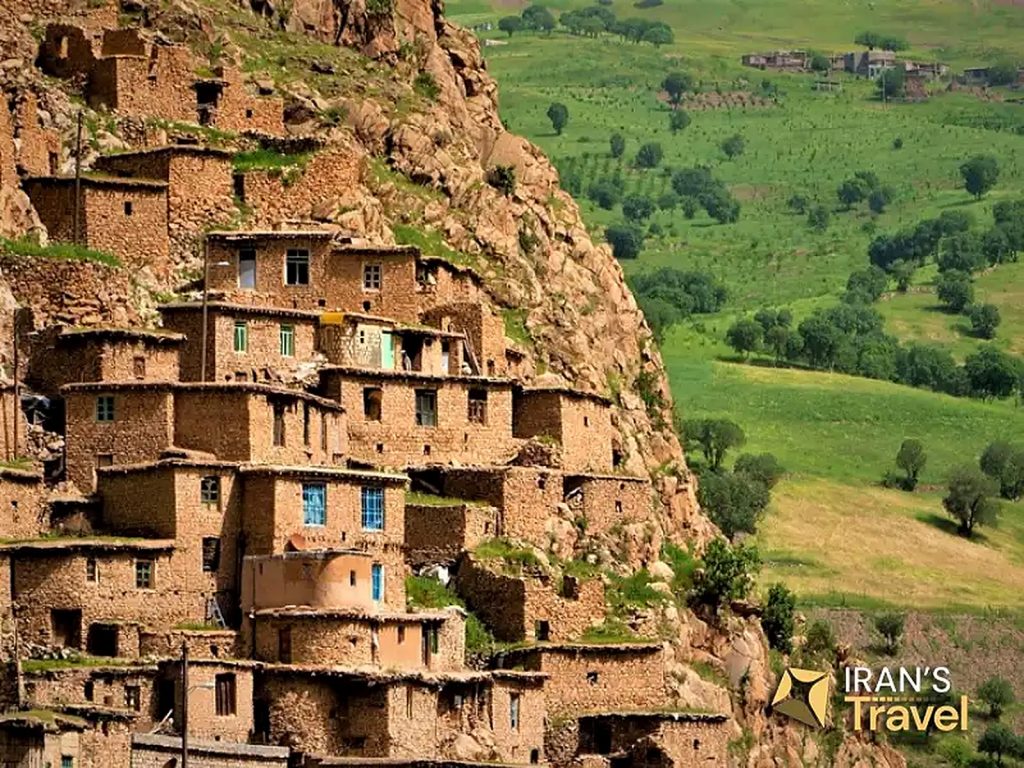
- Cultural Landscape of Hawraman/Uramanat (Kurdistan, 2021) — terraced valley villages and seasonal pastoral life. Date: several centuries ago.
If you want the Caspian forests and coast alongside the desert and the great cities, From Sea to Sea crosses the country from the Caspian to the Persian Gulf.
How to see them: a practical approach
Thirty sites across a country this large cannot be done in one trip, and trying to is the most common mistake. A better approach is to pick a theme. A first visit usually focuses on the “classic” cluster of Tehran, Isfahan, Yazd and Shiraz with Persepolis and Pasargadae, which alone covers more than a third of the list. Later trips can turn to the northwest (Tabriz, the Armenian monasteries, Takht-e Soleyman), the southwest (Susa, Tchogha Zanbil, Shushtar), or the desert and Kerman region (Bam, Maymand, the Lut).
A private licensed guide makes a real difference at these places. Persepolis, Bisotun and Tchogha Zanbil are far more meaningful with someone who can read the reliefs and explain what you are standing in front of. Our Classic Persia journey is built around exactly this first-visit cluster.
Quick answers
How many UNESCO World Heritage Sites are in Iran?
Thirty as of July 2026: 28 cultural and 2 natural (the Lut Desert and the Hyrcanian Forests).
Which was the most recently added?
Alamut Castle and Related Fortifications, inscribed in July 2026 in Busan, following the Prehistoric Sites of the Khorramabad Valley in 2025 and Hegmataneh in 2024.
Which were the first listed?
Persepolis, Naqsh-e Jahan Square in Isfahan and Tchogha Zanbil, all in 1979.
When is the best time to visit?
Spring and autumn are the most comfortable for the main cultural circuit. The Lut Desert is best from late autumn to early spring, and the Caspian forests are lovely in autumn.
Want help turning this list into a route that fits your time and interests? Tell us what you would like to see and we will design a private itinerary around it.